






Posted At: Nov 20, 2026 - 41 Views
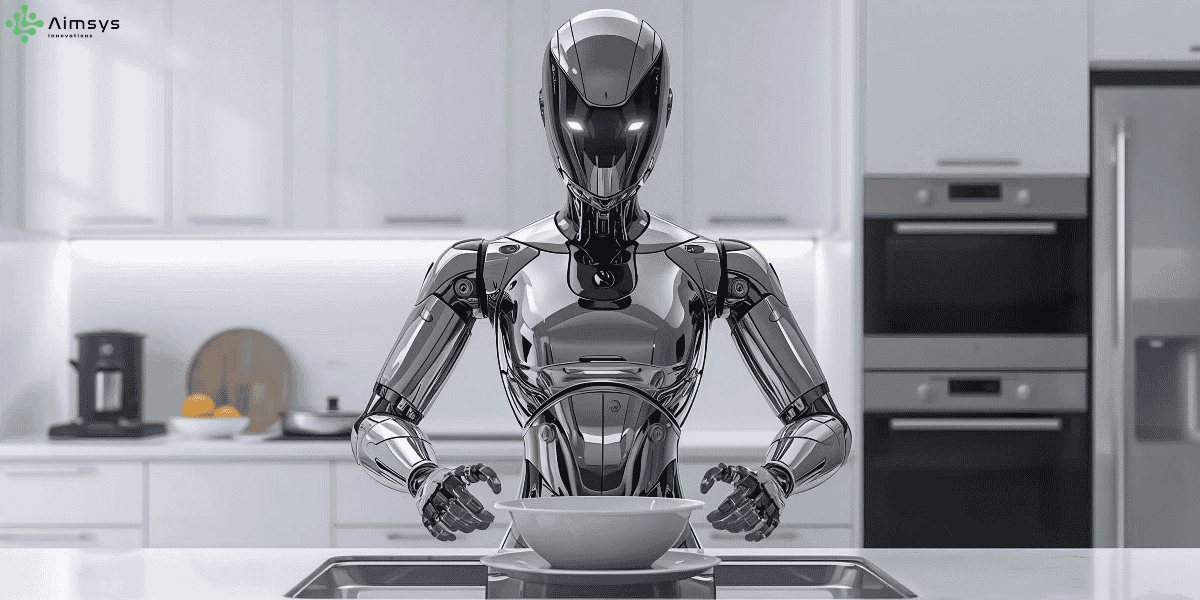
The restaurant industry is undergoing a major transformation as technology changes how food businesses are started and managed. Traditionally, opening a restaurant required significant investment in commercial space, interiors, kitchen equipment, employees, marketing, and daily operations. These requirements made food entrepreneurship difficult for individuals and small businesses with limited resources.
Today, virtual restaurants and cloud kitchens are creating new opportunities. These businesses operate primarily through online ordering and delivery platforms, allowing entrepreneurs to launch food brands without opening traditional dine-in restaurants. Artificial Intelligence (AI) is accelerating this change by helping business owners manage menus, forecast demand, control inventory, understand customers, and improve operations.
By combining digital platforms, shared kitchen facilities, and AI-powered tools, aspiring entrepreneurs can explore food business opportunities with greater flexibility and potentially lower startup costs. This shift is making the food industry more accessible, innovative, and technology-driven.
Understanding Virtual Restaurants and Cloud Kitchens
Virtual restaurants are food businesses that operate mainly through digital platforms rather than traditional dining spaces. Customers discover menus, place orders, and receive meals through websites and food delivery applications. Food is prepared in cloud kitchens or existing restaurant kitchens and delivered directly to customers.
Cloud kitchens provide the physical infrastructure for preparing food, while virtual restaurants operate as digital food brands. A single kitchen can support multiple brands with different cuisines, menus, and target audiences. For example, one kitchen could operate separate online brands for burgers, Indian meals, pizzas, and desserts.
This model reduces the need for expensive restaurant interiors, customer seating areas, and large front-of-house teams. Entrepreneurs can focus more on food preparation, branding, packaging, and online customer engagement.
The difference between these concepts is simple: a cloud kitchen is the facility where food is prepared, while a virtual restaurant is the digital brand through which customers order food.
How AI Is Transforming Virtual Restaurants
Artificial Intelligence is becoming an important part of modern food businesses. It helps entrepreneurs analyze information, recognize customer patterns, automate repetitive activities, and make better operational decisions.
1. Smarter Menu Planning
Creating a successful menu requires understanding customer preferences, food trends, ingredient availability, and pricing. Traditionally, restaurant owners relied heavily on personal experience and customer feedback when deciding which dishes to introduce or remove.
AI can analyze online orders, customer reviews, purchasing patterns, and popular food categories to identify changing preferences. These insights help entrepreneurs understand which dishes attract customers, which products generate repeat orders, and which menu items may need improvement.
Generative AI can also assist with creating menu descriptions, food names, promotional content, and recipe ideas. Entrepreneurs can experiment with different food concepts while using customer data to evaluate their performance. However, chefs and food professionals remain essential for maintaining taste, quality, and consistency.
2. AI-Powered Demand Forecasting
Demand forecasting is one of the biggest challenges for food businesses. Preparing too much food can increase waste, while preparing too little can result in missed orders and dissatisfied customers.
AI-powered forecasting systems can analyze previous sales, seasonal trends, weather conditions, promotional campaigns, and ordering patterns to estimate future demand. These insights help virtual restaurant owners plan ingredient purchases and kitchen preparation more effectively.
For example, a cloud kitchen may experience higher demand during weekends or festive periods. AI can identify these patterns and help the business prepare appropriate quantities in advance. Better forecasting can reduce unnecessary costs and improve order fulfilment.
3. Intelligent Inventory Management
Managing ingredients is essential for maintaining profitability. Food products have limited shelf lives, prices fluctuate, and poor inventory planning can result in unnecessary waste.
AI-based inventory systems can track ingredient usage, monitor stock levels, and predict when supplies need replenishment. By connecting sales information with inventory records, these systems help entrepreneurs understand which ingredients are frequently used and estimate future requirements.
For example, if a virtual restaurant regularly sells dishes that require fresh vegetables, cheese, and other ingredients, AI can help estimate how much stock will be needed based on expected orders.
This can improve purchasing decisions, reduce avoidable food waste, and make kitchen operations more organized.
4. Personalized Customer Experiences
Customer satisfaction and repeat orders are important for building a successful virtual restaurant. AI can analyze previous purchases, customer preferences, and ordering patterns to support personalized recommendations.
For example, customers who frequently order vegetarian meals may receive suggestions for similar dishes or new vegetarian options. Customers who regularly purchase desserts may receive relevant recommendations while browsing the menu.
Personalized offers and recommendations can improve the online ordering experience and help businesses build stronger customer relationships. However, customer information must be handled responsibly, with appropriate attention to privacy and data protection.
5. Automated Customer Support
Virtual restaurants depend heavily on digital communication. Customers may ask questions about menu items, ingredients, delivery times, order status, and special instructions.
AI-powered chatbots and virtual assistants can respond to common questions, provide order updates, and assist customers with routine requests. They can also support businesses outside regular working hours.
This automation reduces repetitive communication tasks and allows restaurant owners and employees to focus more on food preparation, quality control, and complex customer concerns that require human attention.
How Virtual Restaurants Are Removing Barriers to Food Entrepreneurship
One of the biggest advantages of virtual restaurants is that they make entering the food industry more accessible. Entrepreneurs no longer need to begin with a large traditional restaurant to introduce a food concept to customers.
Lower Startup and Operating Costs
Traditional restaurants often require significant investment in interiors, dining furniture, customer seating, and front-of-house employees. Virtual restaurants can reduce some of these expenses because they focus primarily on food preparation and delivery.
Entrepreneurs may use shared kitchens or existing commercial kitchen facilities instead of investing in a complete restaurant setup. AI tools can further support cost management through inventory tracking, demand forecasting, and operational automation.
However, virtual restaurants still require investment in kitchen equipment, ingredients, packaging, trained staff, licences, and delivery arrangements. Careful financial planning remains essential.
Faster Experimentation With Food Concepts
Launching a new restaurant concept can involve considerable financial risk. Virtual restaurants offer greater flexibility by allowing entrepreneurs to test different menus and digital food brands using existing kitchen infrastructure.
For example, an entrepreneur can experiment with a healthy meal brand, a dessert business, or a regional food concept without immediately opening separate physical locations.
AI-powered analytics can help evaluate customer responses, order volumes, and menu performance. These insights allow business owners to identify promising ideas and improve concepts based on actual customer demand.
Opportunities for Small Businesses and Independent Chefs
Virtual restaurants create opportunities for independent chefs, homegrown food brands, and small business owners. People with culinary skills or innovative food ideas can explore online food businesses without necessarily investing in a full-service restaurant.
For example, an entrepreneur specializing in regional cuisine can build a digital food brand for customers interested in authentic local dishes. Another entrepreneur may focus on healthy meals, baked products, or specialty desserts.
Digital marketing, online ordering platforms, and AI-powered tools can help smaller brands reach customers and establish their presence in competitive markets.
Multiple Brands From One Kitchen
A single kitchen can support multiple virtual restaurant brands, each targeting a different customer segment. One brand may specialize in burgers, another in healthy meals, and another in desserts.
AI can help compare the performance of these brands by analyzing order volumes, customer feedback, menu popularity, and operating costs. Entrepreneurs can use these insights to decide which brands deserve further investment and which concepts need improvement.
This model allows businesses to make better use of existing kitchen infrastructure while exploring additional revenue opportunities.
The Role of Data Analytics in Business Growth
Virtual restaurants generate valuable digital information through online orders, customer reviews, menu interactions, and delivery performance. AI-powered analytics can convert this information into useful business insights.
Entrepreneurs can identify popular dishes, monitor peak ordering periods, understand customer preferences, and evaluate marketing campaigns. For example, if a particular meal receives many orders but generates limited profit, the owner can review ingredient costs, portion sizes, packaging expenses, and pricing.
Analytics can also help businesses understand geographic demand patterns. Certain dishes may perform better in particular neighborhoods, while customers in different areas may prefer different price ranges or portion sizes.
By using these insights, entrepreneurs can make more informed decisions about menu planning, marketing investments, pricing, and business expansion.
Challenges Virtual Restaurants Must Overcome
Although virtual restaurants offer exciting opportunities, entrepreneurs must understand the challenges associated with this business model.
Online competition: Customers can compare prices, ratings, delivery times, and menus across multiple platforms. New brands need distinctive food concepts, consistent quality, and effective digital marketing to attract attention.
Food quality and consistency: Food must maintain its taste, temperature, and presentation during delivery. Appropriate packaging, preparation methods, and quality checks are essential for customer satisfaction.
Dependence on delivery platforms: Third-party delivery applications provide access to customers but may involve commissions, platform rules, and limited control over customer relationships. Businesses should carefully evaluate these costs and develop their own digital presence where possible.
Data privacy and AI accuracy: AI systems may produce inaccurate forecasts or recommendations when information is incomplete. Businesses must review important automated decisions and protect customer information.
Food safety and regulations: Virtual restaurants must follow applicable food safety standards, hygiene practices, ingredient transparency requirements, and local licensing rules. Operating digitally does not remove these responsibilities.
The Future of AI-Powered Virtual Restaurants
The future of virtual restaurants will likely involve deeper integration between AI, automation, digital ordering, and intelligent kitchen management.
AI-powered systems may become increasingly useful for predicting food demand, identifying emerging trends, improving inventory planning, and coordinating multiple virtual brands. Automation could also support repetitive kitchen activities, order processing, and stock monitoring.
Another important development could be the growth of hybrid restaurant models. Traditional restaurants may introduce additional virtual brands from their existing kitchens, while successful virtual brands may eventually expand into physical locations.
However, technology alone will not determine success. Food quality, creativity, customer trust, reliable operations, and human expertise will remain essential. AI will be most valuable when it supports entrepreneurs in making better decisions while allowing chefs and business owners to focus on creativity and customer experience.
Conclusion
The rise of virtual restaurants is changing how people approach food entrepreneurship. By reducing the need for traditional restaurant infrastructure, this business model is creating new opportunities for independent entrepreneurs, small businesses, and established restaurant operators.
Artificial Intelligence is accelerating this transformation through smarter menu planning, demand forecasting, inventory management, personalized customer experiences, and automated support. These capabilities can help businesses improve efficiency, reduce avoidable costs, and respond more effectively to customer needs.
Although challenges such as online competition, food quality, delivery dependence, and data privacy remain important, virtual restaurants offer a flexible way to explore new food business opportunities.
The future of food entrepreneurship may not always begin with a traditional storefront. Increasingly, it may begin with a creative food idea, a digital brand, an efficient kitchen, and the intelligence of AI.